Basic Sewing Kit for Newcomers: All the tools You Need to Start Your Sewing Journey
A fundamental sewing kit acts as the foundation for beginners beginning their sewing journey. It encompasses essential tools, from a reliable sewing machine to sharp scissors and measuring devices. Selecting the right fabrics is equally important, as is organizing supplies for efficiency. Understanding these components can greatly impact a beginner's experience. What particular tools and techniques can enhance their skills and creativity? The answer lies in investigating each element of a well-rounded sewing kit.
Picking Your Debut Sewing Machine and Vital Tools
When determining a first sewing machine, beginners often find that mastering vital details can remarkably facilitate their choice-making experience. Primary considerations to examine include the machine's operating ease, diverse stitch options, and consistent performance. Beginners thrive with machines with simple interfaces and practical automation, like tension control mechanisms and smooth threading functions.
A lightweight model is often preferable for mobility, while a robust construction guarantees longevity. Additionally, a variety of stitch patterns allows for artistic experimentation, making the sewing experience more enjoyable.
Understanding the machine's maintenance needs is also critical, as regular upkeep can preserve its working life. Ultimately, selecting the ideal sewing machine can enhance a novice's proficiencies, making the undertaking into sewing both constructive and meaningful. By concentrating upon these primary elements, beginners can confidently make deliberate decisions tailored to their specific needs and objectives in sewing.
Critical Supplies Required for Any Sewing Kit
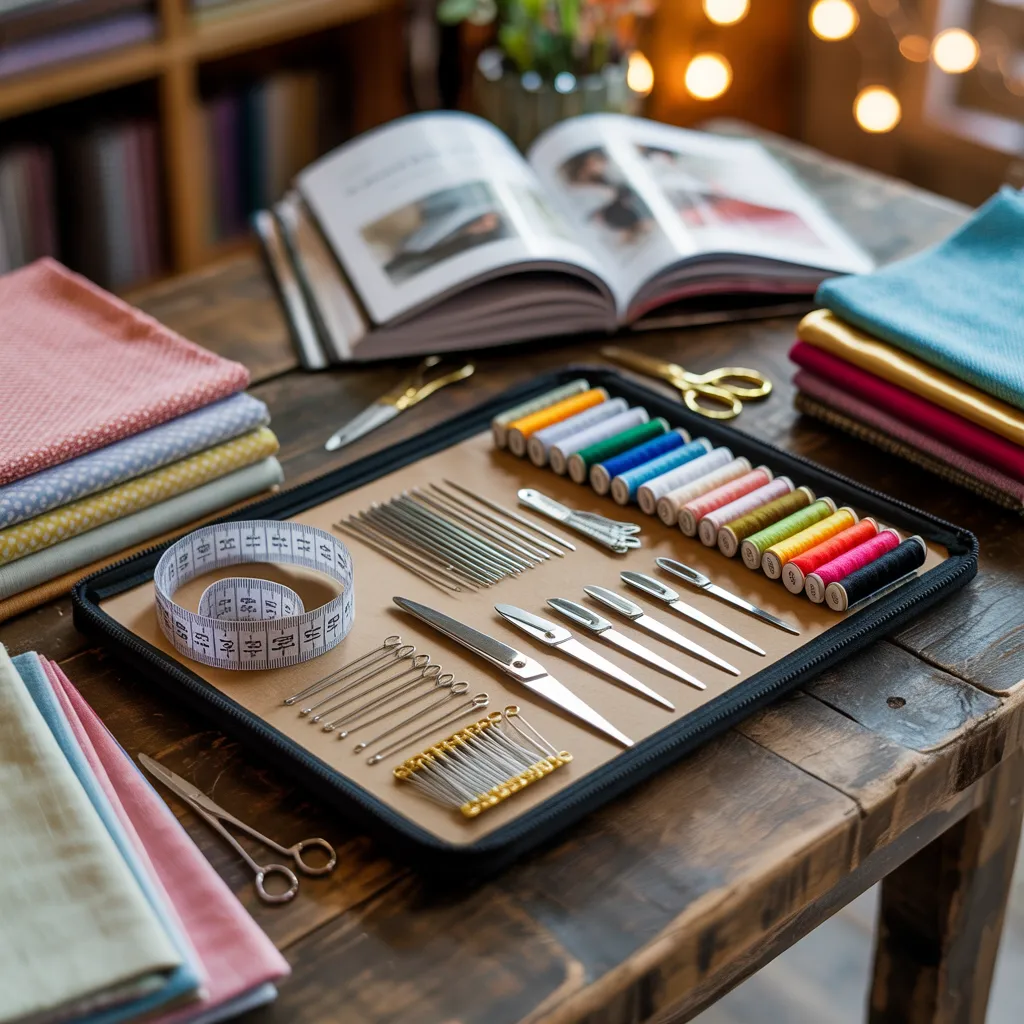
A well-equipped sewing kit is crucial for any novice looking to commence their sewing journey. Important implements consist of a pair of sharp fabric scissors, which ensure precise cuts, and a rotary cutter for accurate, uniform lines. A pin cushion and pins are essential for fastening fabric pieces together, while a measuring tape helps obtain exact dimensions. A seam ripper is indispensable for fixing errors, enabling novices to improve with confidence and without anxiety about lasting mistakes.
Moreover, a collection of hand-stitching needles and a range of machine needles serve various jump in materials and projects. Thread in various colors offers flexibility for projects. In conclusion, a marking tool, such as tailor's chalk or fabric markers, aids in transferring patterns accurately. These essential implements create a base that equips beginners to explore their creativity and develop assurance in their stitching abilities.
Top Textiles for Beginners
Selecting the appropriate material can significantly improve a beginner's stitching journey, as some textiles are easier to work with than others. Cotton fabric is often recommended due to its softness, breathability, and ease of handling. It comes in different weights and prints, making it adaptable for different projects. Another great option is flannel, which is gentle on the skin and perfect for comfortable pieces like blankets and pajamas.
For those interested in experimenting, knit fabrics furnish give and relaxation, wonderful for t-shirts and leggings. However, inexperienced sewers must start with stable knits, as they are easier to manage. Additionally, linen, while quite demanding, can be rewarding for its permeability and graceful fall.
Ultimately, the most suitable materials appropriate for those just starting out are ones that offer a tolerant stitching experience, letting novice stitchers to develop confidence and abilities without unwanted frustration.
Important Stitching Items for People Starting Out
During the journey of sewing, newcomers reap substantial benefits from essential accessories that enhance their experience. Learning the fundamental tools, along with the basics of textile and fiber, constructs a firm groundwork for success. Moreover, integrating valuable stitching aids can expedite assignments and strengthen self-assurance in their competencies.
Fundamental Apparatus Presentation
Starting their artistic journey, sewing enthusiasts need a properly furnished toolkit to guarantee success. Among essential tools is a reliable pair of scissors, which should be well-maintained and used only for fabric to achieve neat cuts. A seam ripper is crucial for fixing errors, while pins and a pincushion help keep fabric pieces together during assembly. Measuring tools like a tape measure and transparent ruler support accurate cutting and stitching. A high-quality sewing machine is indispensable, accompanied by accessories such as a presser foot and bobbins. Moreover, a fabric marker or chalk aids in marking lines without harming the material. Collectively, these tools provide a solid foundation for any beginner's sewing projects.
Fabric and Thread Fundamentals
Fabric and thread provide the foundation of any sewing project, making it vital for beginners to grasp their characteristics and uses. Fabrics come in various types, such as cotton, linen, and polyester, each offering unique qualities like breathability, durability, and ease of care. Beginners should select fabric based on the desired project; lightweight fabrics are suitable for garments, while heavier ones work well for home decor.
Thread, usually made from cotton or polyester, should match the fabric in weight and hue. Learning about thread kinds, such as all-purpose or specialty threads, is essential for attaining the best output. By perfecting these foundations, beginners can securely choose the right components, setting a firm foundation for their sewing journey.
Practical Fabric Notions
A fully prepared sewing kit can prove invaluable for newcomers taking up their creative endeavor. Critical supplies elevate quality and reduce effort. First, a set of sewing scissors is indispensable for quality cuts. A measuring tape confirms proper dimensions for any project. Pins and a pincushion secure pieces, while marking implements enable exact marks. A seam ripper is invaluable for remedying mistakes, and a needle threader can ease difficulty during needle threading. Additionally, a broad range of needles, including universal and ballpoint, handle multiple fabric types. Finally, a standard measuring tool facilitates measuring hems and allowance measurements, proving necessary for any beginner's sewing set.
Organizing Your Sewing Supplies Effectively
Proper management of sewing supplies is vital for beginners to elevate their crafting experience. Implementing suitable storage options can facilitate access to materials, while sorting tools efficiently ensures that everything is easy to find. By applying these methods, novice sewists can create a more enjoyable and productive workspace.
Storage Options for Supplies
Arranging sewing supplies has the power to turn a cluttered workspace into a hub of creativity and efficiency. Effective storage methods are important for beginners aiming to enhance their sewing experience. Clear plastic bins deliver visibility and convenient access to fabric, threads, and tools. Drawer organizers support in separating smaller items, such as buttons and needles, preventing them from getting lost. A pegboard serves as a versatile option for hanging tools, allowing quick retrieval and maximizing vertical space. Additionally, using labeled containers can ease locating supplies quickly, reducing frustration. Investing in a dedicated sewing cart can boost organization, making it easy to transport materials between projects. Ultimately, a well-organized sewing area encourages inspiration and productivity.
Categorize Your Instruments in an Efficient Way
Proper organization of sewing tools improves both productivity and ease of use for beginners. To streamline their sewing experience, novices can group tools into specific categories. Essential items like scissors, pins, and measuring tapes should be easily accessible in a dedicated space. Sewing notions, such as buttons and zippers, can be stored in compact containers or divided sections of a larger box. Fabric should be organized by type or project, allowing for quick selection. Additionally, keeping patterns and instructional materials in a separate folder helps maintain clarity. By implementing these organizational strategies, beginners can minimize frustration and maximize creativity, paving the way for a successful sewing journey. Efficient categorization ultimately transforms a cluttered workspace into a functional, inspiring environment.
Preserving Your Sewing Kit and Tools
To preserve a sewing kit in optimal shape, regular maintenance is crucial. First, tools such as scissors and rotary cutters should be sharpened and cleaned regularly to guarantee accurate cuts. Dust and fabric lint can build up, so wiping down surfaces and organizing tools helps preserve functionality.
Securing needles in a protective case prevents injury and preserves their pointedness. Additionally, it's necessary to check thread spools for twists or ruptures, updating any that are compromised.
Fabrics should be kept in a cool, dry place to avoid mildew or damage. Frequently checking the contents of the kit enables you to identify any absent pieces or tools that need replacing.
Finally, documenting the sewing kit's inventory can help monitor usage and ensure that vital implements are always on hand. By committing to these practices, beginners can appreciate a properly cared for sewing kit that facilitates their creative journey.
Often Asked Questions
How Can I Identify the Perfect Thread for My Projects?
Finding the ideal thread calls for considering fabric type, weight, and intended use. Cotton works well for natural fabrics, while polyester is flexible. Always pair thread color closely to fabric for a seamless appearance in projects.
What Is the Greatest Way to Learn Sewing Techniques?
The finest method for understanding sewing techniques includes combining hands-on practice with learning aids. Online tutorials, sewing classes, and books present structured guidance, while consistent engagement enhances skill and instills confidence in executing various techniques.
Can I Stitch Without a Sewing Device?
Certainly, one can stitch without a needle and thread kit. Manual stitching methods, such as basic stitches and backstitch techniques, allow for effective fabrication of garments and projects, making it a practical choice for those favoring hands-on approaches.
How Do I Solve Regular Sewing Machine Issues?
To address regular stitching problems, one should look for tangled threads, ensure proper threading, modify tension settings, maintain regular cleaning, and check the instruction guide for detailed troubleshooting tips, guaranteeing maximum performance.
What starting tasks ought to I commence with?
Beginner projects should include straightforward items like pillowcases, tote bags, or basic skirts. These projects help boost self-assurance and abilities, letting new sewers to practice techniques while producing functional and enjoyable items.